Fall Fishing Has Arrived!
Fall Fishing Has Arrived in Oregon
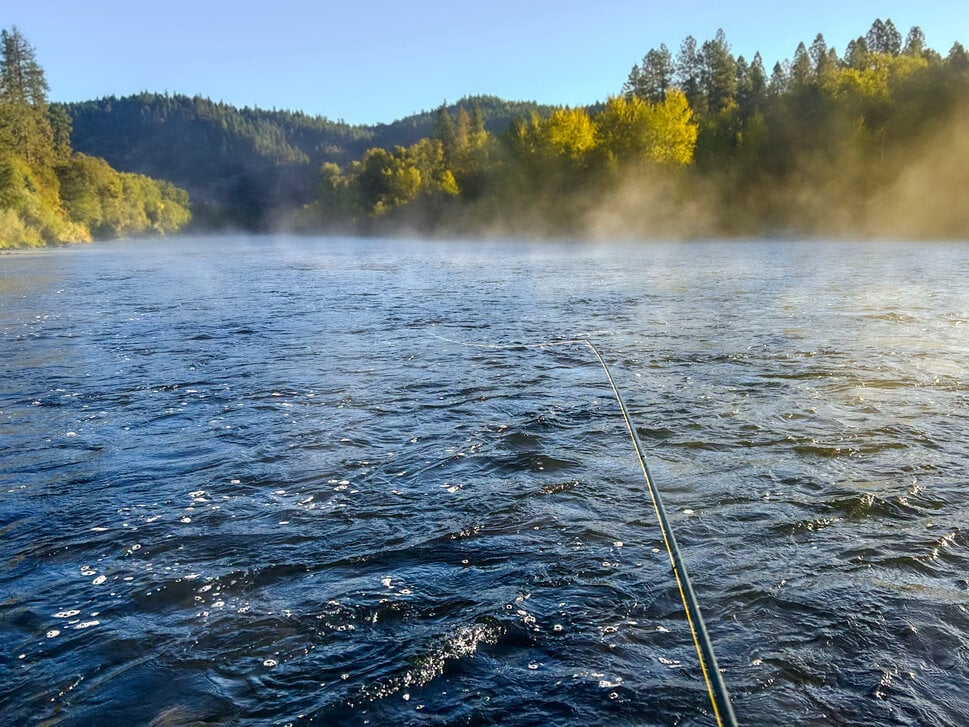
Up until the past few weeks, the weather has felt rather stale. The lack of winter snowpack soon turned to a lack of rain, resulting in a dry, hot fire season that lasted well into September. But we're happy to say things have begun to turn around, albeit slowly! Now, weeks after the Fall Equinox, we're settling into a more stable pattern of longer, colder nights and cooler daytime temps. This means fish activity has significantly increased as some fish take advantage of the thick fall bug hatches on our rivers and lakes, and our coastal and inland rivers are seeing fresh coho and steelhead settle into our favorite runs.
River temps across the state are beginning to trend downward, opening up an enormous amount of opportunity in our area. Once we start seeing precipitation, expect fishing quality to go from good to excellent!
All of us here at Royal Treatment have been busy on our days off, enjoying what is turning into a beautiful fall season. We’d like to share more about what we have been up to, along with some of the reports we’re getting daily in the shop.
Trout
It’s been a strange season this year. A warm and dry spring kicked off much of our bug activity earlier than normal. This trend lasted well into the summer, and from what we’re hearing in the shop, combined with our own experiences, the bugs and the subsequent fishing were somewhat inconsistent. However, as we settle into longer, cooler temps and Fall weather, we’re thankfully seeing this trend fade from memory.
Clackamas
If you’re not out chasing hatches right now, you should be! Nearby rivers like the upper Clack above North Fork Reservoir have been fishing fairly well for those who are putting in the time. We are still in full-on terrestrial season, so don’t go up without a good selection of small Chubby Chernobyls, Skater Tots, or foam Humpy’s. Paired with a dropper of a small, lightly weighted caddis nymph like Silvey’s Prime Time Pupa or Ken Morrish’s Super Pupa, you’re in the game.
We also like to bring a good selection of heavier jig nymphs with us in case we need to throw on an indicator and get our flies down. If so, make sure you have different profiles, sizes, and colors to find what triggers the fish on any given day.
When fish are looking up, small terrestrial patterns will be working great. Also have a handful of caddis in a good range of sizes and profiles to match the water you’re fishing. Calm, slow stretches of water where fish have time to inspect your flies, parachute style dries like EC Caddis or Superman Caddis will work great. Blue Wing Olives are also present, so plan accordingly!
As a reminder, the upper Clackamas and its tributaries will close on October 31st, along with most other trout fisheries! If you’re eager to get out before the rain starts, now is your time! After the 31st, you can shift your focus to the Deschutes, Mackenzie, Fall, Crooked, Metolius, and upper Willamette Rivers.
Deschutes
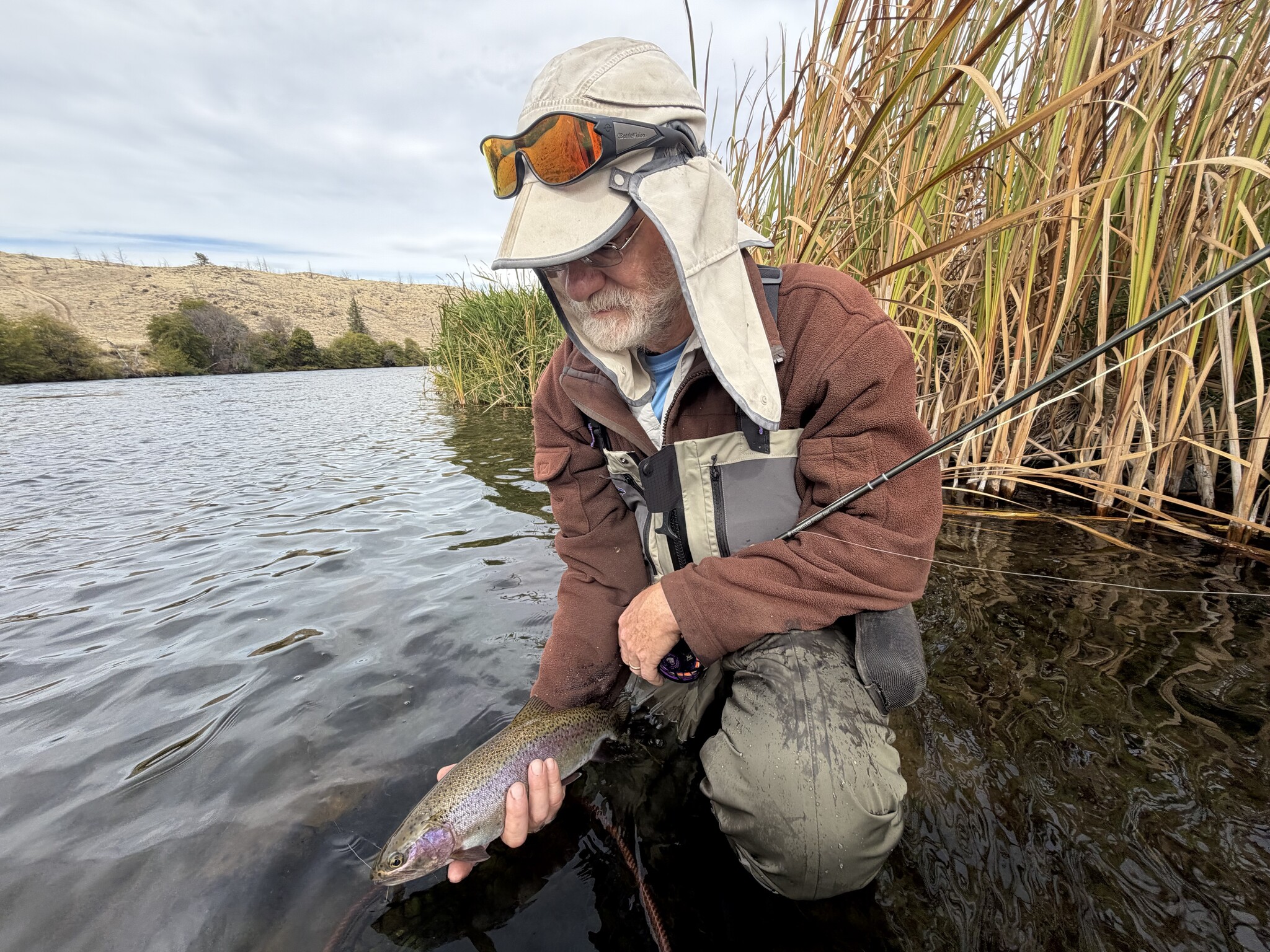
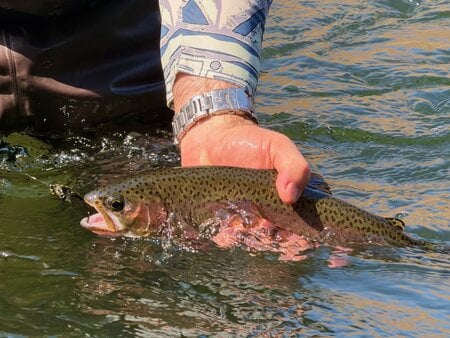
Josh is fresh off a recent multi-day camp trip on the Deschutes from Warm Springs to Trout Creek and confirmed what many customers in the shop have been relaying: fishing is phenomenal!
This is the season of cooler temps and vibrant bug life, and the redsides are responding enthusiastically. Here’s a quick report from the man himself:
“We put on a dry-dropper at the start of the trip and, for the most part, never had to take it off. We started with a small Chubby Chernobyl up top and fished a handful of different caddis nymphs beneath it and got plenty of fish to come up for the chubby. Peeping caddis, Drag Queen’s, and caddis pupae, depending on the type of water we fished. Heavier jig nymphs were key in deeper, faster water, with the lighter nymphs perfect for when fish were feeding higher in the water column.”
“October caddis were absolutely everywhere. We would’ve loved the chance to fish dries more, but the wind kept the bugs off the water. When we did get some calm moments, we put on a small caddis dry and got a few fish feeding on top. If there wasn’t as much wind, we would have been fishing dries much more with the amount of bugs we were seeing. It was fantastic. There were a few Blue Wing Olive’s around and some scattered, bigger Mahogony mayflies, but it was really mostly a caddis game. Big, medium, little, they were everywhere.”
As many of you know, this is an amazing time of year to be on the Deschutes. If you go, you likely won’t see many people because of the steelhead and salmon closure, and you'll probably have much of the river to yourselves (unfortunately for our friends who guide on the river or run businesses in the communities along the Deschutes). This time of year, the campgrounds around Maupin are generally packed with early-rising steelheaders. This year, hate it or love it, the fall season on the Deschutes is likely to be one of quiet solitude.
For those of you steelheaders missing those brisk October mornings watching the morning sun hit the canyon walls, it is well worth the effort to get a few days on the river right now chasing trout. We know there is no replacement for stepping into a reliable run at sunrise and casting a long rod into the sunrise… But speaking from experience, it does the soul good to be out there with slick bedrock under your boot studs and water flowing around your legs!
Coho and Chinook
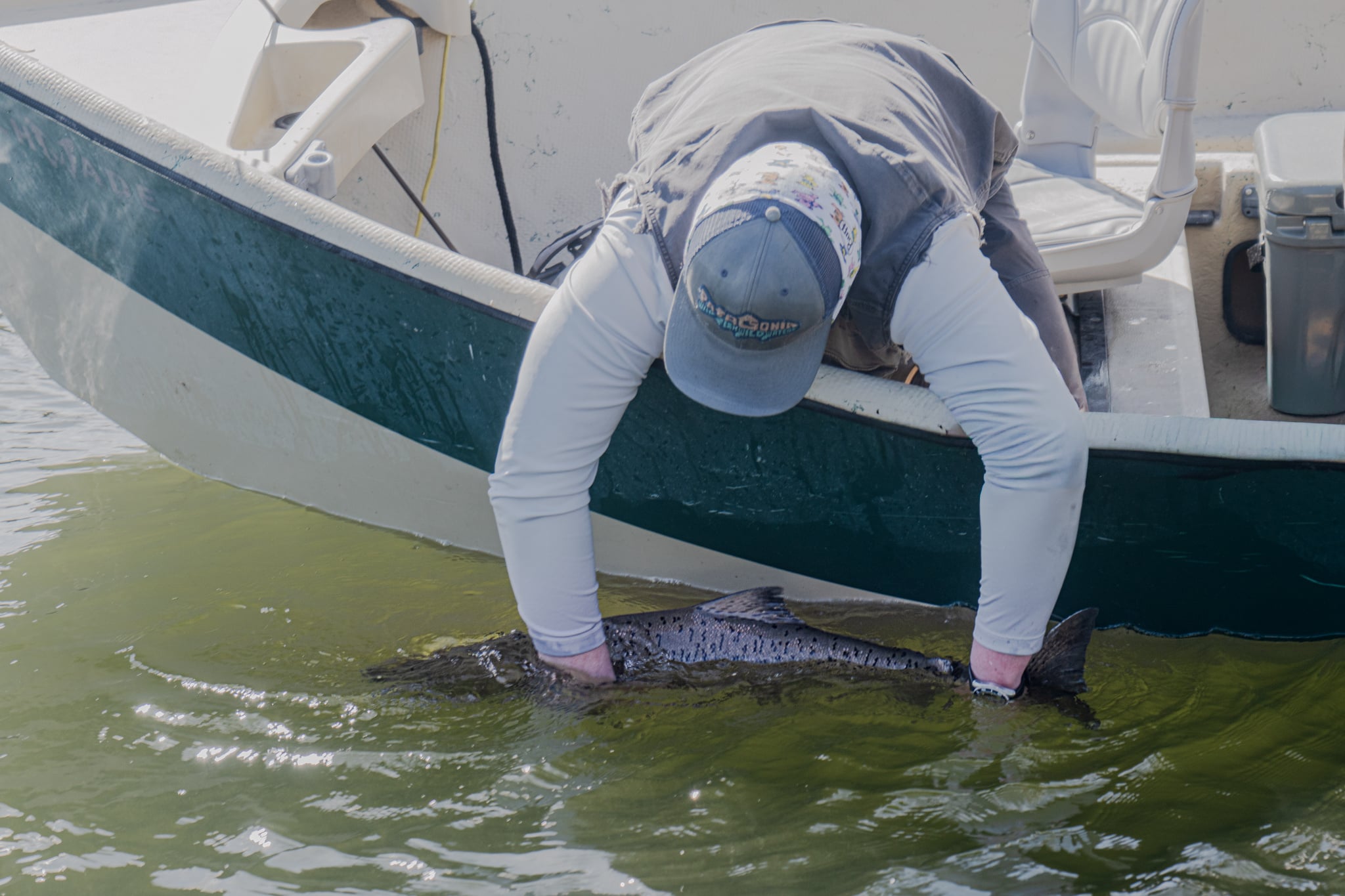
Depending on who you ask, the salmon season has started a bit slow and continues to go through ups and downs. We are hearing great reports from some folks who are finding a handful of fish, and also hearing frustration and a lack of fish from others. If you're in the latter group, you are not alone. Our rivers are still running unseasonably low, making it hard for everybody.
The Clackamas and Sandy
The Clackamas and Sandy have a decent number of wild fish right now, but the hatchery fish have been scarce. So if you’re looking to bring home a few fish for the freezer, unfortunately this might not be a great year.
Our best advice? If you want a good chance at hooking a few bright cohos, go as often as you can. Those who have been finding success are putting in a lot of time and spreading their efforts throughout both the Clack and the Sandy. On the Clackamas, fish are being found all throughout the river. Being in the right place at the right time is the name of the game. If you’re swinging flies, focusing your efforts around McIver might even get you a bonus steelhead between pods of traveling coho.
With Oxbow on the Sandy closed through January, our options for accessing spots on the Sandy are a little more limited. Lewis Clark offers great opportunities to connect with fresh fish and is a little more friendly at these low flows. There’s no silver bullet for salmon right now. Put in the time, and the fish will show!
Coastal Rivers
For the best chance of intercepting a pod of traveling salmon, head to your favorite coastal river and give yourself a couple of days fishing tidewater. Persistence pays off for those who can keep flies in the water the longest and can stick with it through the quiet periods between pushes of fresh fish.
Tidewater salmon fishing is a unique experience, and we at Royal Treatment are deeply passionate about it. We've spent time on the coast recently and have had decent success, and we always encourage people to go and spend time on the coast this time of year. A good assortment of small Comets and Clousers in varying weights, fished with an intermediate or Type III shooting head or sinking line, has produced great results for us. For any questions about what setups we’re using with which flies, don’t hesitate to give us a call or swing by the shop to pick our brains!
Steelhead
This year's closures were a difficult pill to swallow. But that doesn’t mean our steelhead season is a wash. Even though the Columbia and its tributaries are currently experiencing the lowest numbers of returning steelhead in recorded history, opportunities persist for the steelhead anglers wanting to swing some flies. Sometimes all it requires is a longer drive and readjusting our expections.
Clackamas
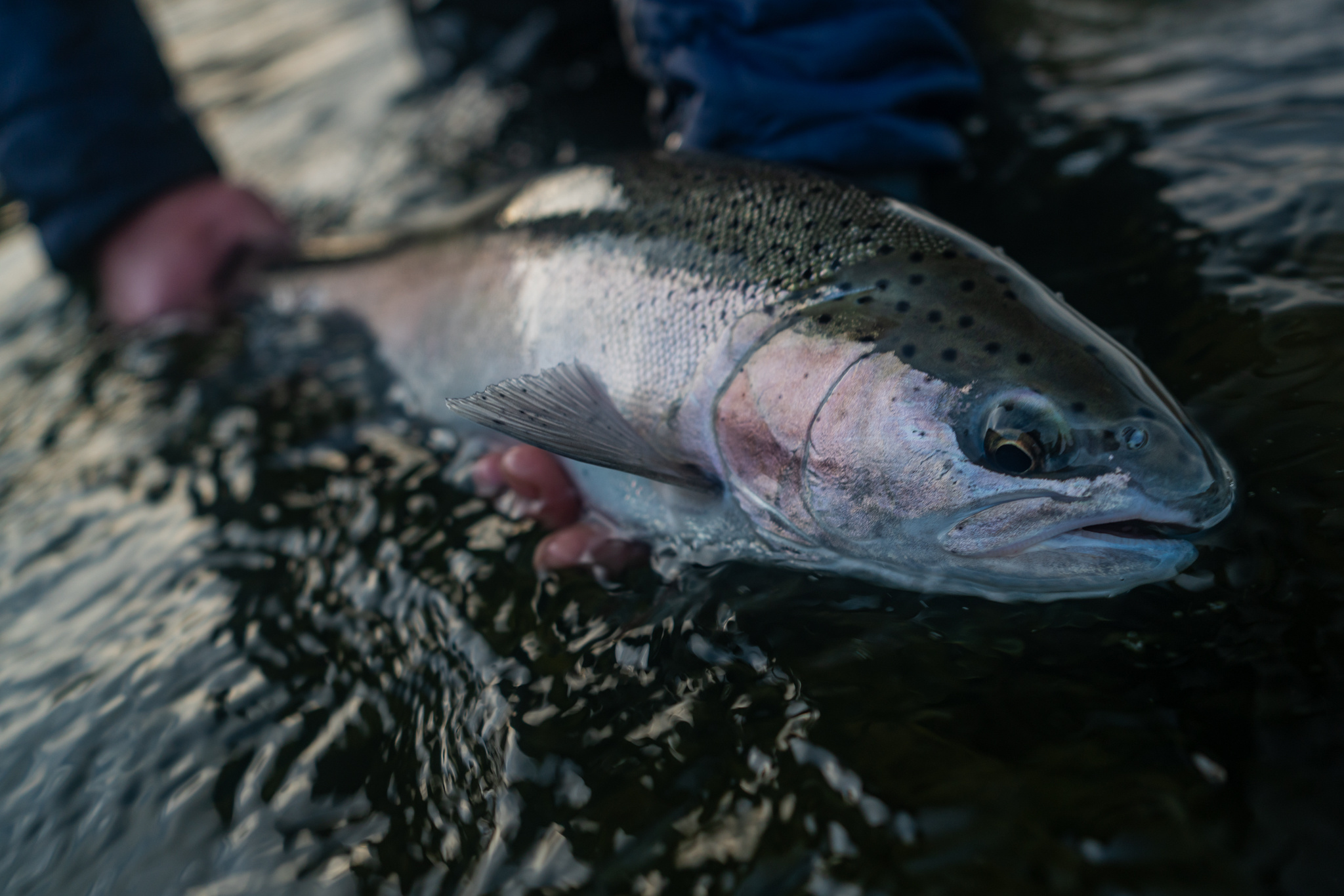
Clackamas steelhead fishing has been the perfect distraction from poor adult returns further east. For the past month, the fish have freshened and have become quite active again. People fishing both tips and Scandi lines have been finding success. Given the low water conditions we are experiencing, you'll be doing yourself a favor by using Scandi lines, a long leader, and a small wet fly or skater.
These fish have been in the river for months and have been experiencing a decent amount of pressure. Longer, lighter lines land more softly on the water and are less intrusive to fish who may be more wary of splashy presentations. Just yesterday I spoke with a customer in the shop who said he got his first-ever steelhead on a skater! Now is a great time to experiment with different patterns and techniques to find an aggressive fish. Focus on low-light periods early and late in the day, or during periods of cloud cover. Fish will be cycling through runs, so hitting as many spots as possible during a steelheading session puts your flies over as many fish as possible to sort out the players from the non-players. Here at the shop, we are getting out there before work some days, so come by and pick our brains if you’re looking to connect with a bright steelhead!
Columbia Tributaries
For those looking for a place to slide a boat in the water and swing some runs, Washington will have some great opportunities. Just keep in mind the low returns combined with the heavy presence of salmon spread throughout the Columbia tributaries that it will take time and persistence to find happy fish, so manage your expectations accordingly. The Klickitat and Grand Ronde are still open and good options to help salvage what’s left of our steelhead season.
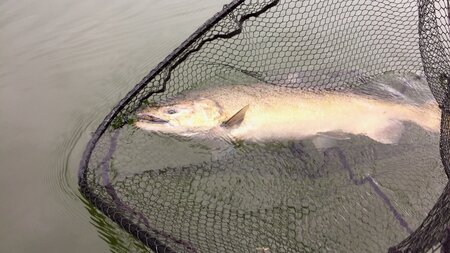
Any interaction with wild steelhead requires safe handling practices and respect for the fish. This is extremely important this year. If you do hook one, please do everything you can to avoid overplaying the fish and land it quickly. Using Landing nets with rubber bags are a good idea to land fish quickly and safely remove your fly with minimal fish handling involved. We need to ensure that each fish we encounter, especially this year, is handled extremely carefully so that they reach the gravel and spawn safely.
Rogue River
For those not too concerned with putting on some extra miles on the truck, the Rogue offers infinite options for the intrepid steelheader looking for a grab. From Shady Cove to the Grave Creek and the start of the Wild and Scenic section offers plenty of access with good boat ramps and shuttle services.
Up until recently, temperatures in southern Oregon have been quite high. Combined with low flows, the Rogue had persistently high water temps making the fish moody and less active. However, fall seems to be settling in more consistently, and the fish are starting to respond. Some of us are making our way down more often and enjoying the diverse fishing opportunities the Rogue offers.
Expect plenty of half-pounders, the aggressive, fun-to-catch juvenile steelhead that helped make the Rogue a world-famous fishery. The river is chock full of salmon, which can make steelhead harder to locate. Get creative, don't hesitate to fish through a spot you wouldn't normally stop at, and cover as much water as you can. Steelheading on the Rogue should continue to improve the closer to November we get.
This is the best time of year to get out! Now go fishing!
For now, there’s no rain in the immediate forecast, which means we need to be patient (easier said than done). In the meantime, there is still plenty of opportunity nearby for those looking to get out and enjoy the cooler weather. As always, if you are curious about something not mentioned above, we speak to dozens of people every day and have a pretty good pulse on how other places are fishing. Never hesitate to call the shop, or come on in for more details on the current conditions of our favorite fisheries. Thanks for reading and we look forward to seeing you in the shop soon!
Leave a comment
Recent articles
View all
Going Rogue
Still Swinging